
Building the People foundation for a Remote Team (6→30)
How we built people systems and structure from scratch so a SaaS company could grow from 6 to 30 people without chaos.
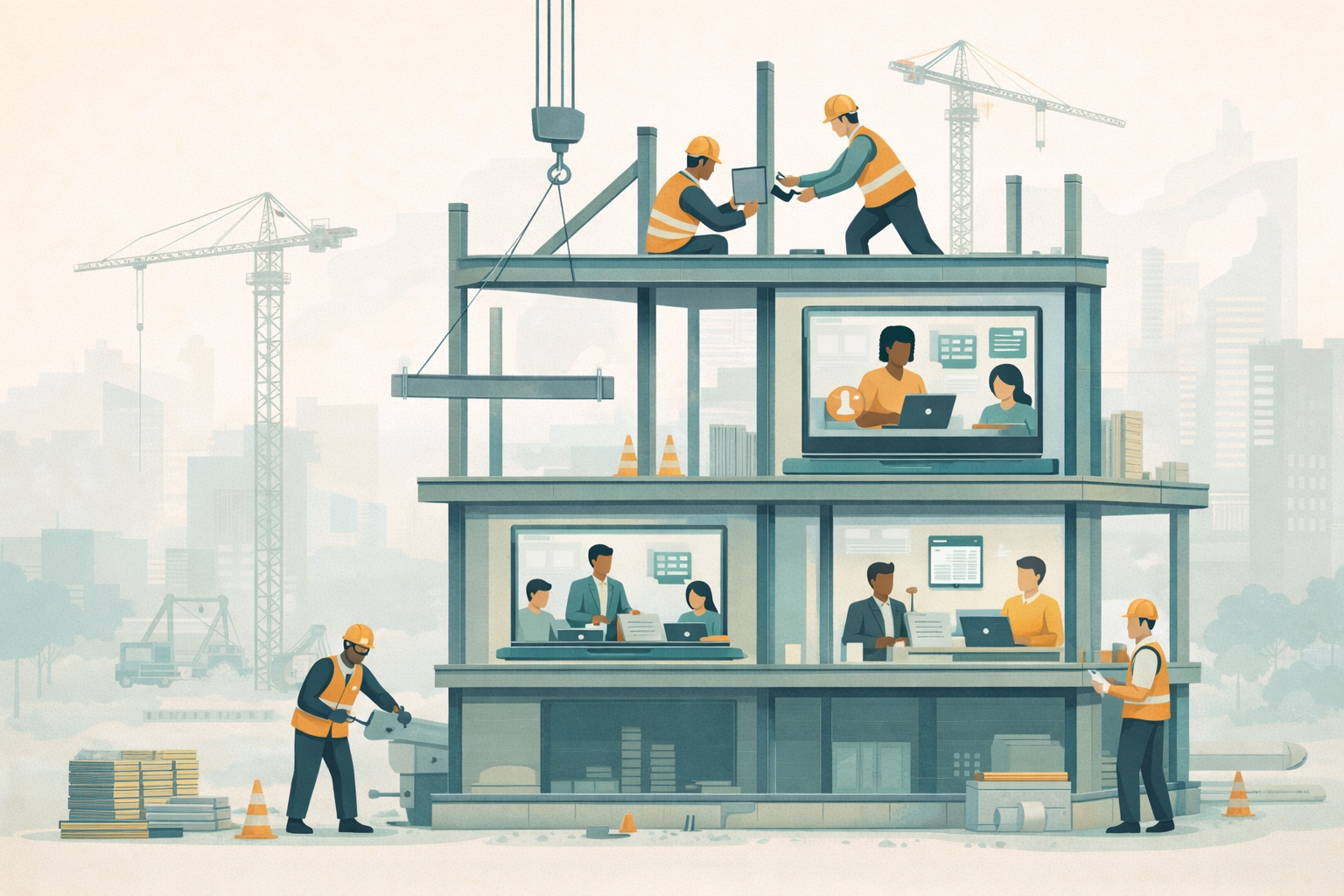
The challenge
The company was small, scrappy, and moving fast.
The team consisted of a founder, a few engineers, and a rotating group of part-time contractors. That structure worked early on, but once the business model shifted and demand increased, growth followed quickly. The problem was not dysfunction. It was absence.
There were no formal people systems. No org chart. No clear reporting lines. Hiring, onboarding, payroll, benefits, and documentation were handled manually or ad hoc. Contractors were becoming full-time employees. New roles like curriculum developers and program staff were being added for the first time.
At the same time, the company was operating remotely and needed to stay that way. The challenge was to build real structure without overcomplicating things or slowing momentum.
This was not about cleaning up mistakes. It was about creating an operating foundation where none had existed before.
What we did
We built the people and operations layer from the ground up.
First, we designed a clear organizational structure that reflected how the company actually needed to operate post-growth. Roles were defined, reporting lines were established, and ownership was clarified so decisions did not bottleneck at the founder.
We implemented a proper HRIS and payroll system to centralize hiring, onboarding, payroll, and benefits administration. This replaced manual processes and created a single source of truth as headcount grew.
From there, we built the basics that make teams work at scale. Structured onboarding. Training materials. Core SOPs. A lightweight employee handbook that set expectations without unnecessary policy overhead.
Because the team was virtual first, we also designed the operating rhythms that made distributed work sustainable. Communication norms, documentation standards, and handoff processes were established so work did not depend on constant meetings or real-time coordination.
Everything was built to be practical, lightweight, and easy to maintain. The goal was clarity and consistency, not corporate bureaucracy.
Impact
- Scaled the team from approximately 6 to 30 employees without losing clarity or momentum
- Enabled a fully remote, US-based workforce with clear structure and expectations
- Reduced founder dependency by establishing defined roles and reporting lines
- Improved onboarding speed and consistency for new hires
- Created durable people and operations systems that supported continued growth
What happened next
Growth stopped feeling overwhelming.
Hiring no longer created confusion. New team members could onboard quickly and understand how the company worked. Managers had clearer ownership. New contractors were hired or transitioned into full-time roles smoothly. The founder was no longer the default escalation point for every decision.
Most importantly, the team could focus on execution. The systems in place made it easier to hire, train, and operate without constantly reinventing how the business worked.
By building the operating foundation early, the company created room to grow without accumulating organizational debt that would have to be untangled later.
Dealing with something similar?
If your team is growing faster than your internal structure, we can help you build the systems that make growth feel steady instead of chaotic. Let's talk!